Let me start with a question – does your landing page get the kind of traffic and engagement you’ve always dreamed of? If not, don’t worry! You’re not alone. Many businesses struggle to attract the right visitors and keep them hooked. But what if I told you there’s a secret weapon that can help you win the landing page traffic game? It’s called content marketing, and it’s taking the digital world by storm.
Imagine having a constant flow of interested, engaged visitors coming to your landing page, eagerly consuming your content and getting excited about your offerings.
That’s the power of content marketing – it’s like a magnet that draws in your target audience and keeps them coming back for more.
In this article, we’ll dive deep into the world of content marketing and explore its role in boosting your landing page traffic and overall advertising strategy. We’ll cover everything from the basics of content marketing to advanced tactics and best practices that can help you stand out in a crowded online landscape.
Get ready to learn about the different types of content that can drive engagement, how to create viral infographics and webinars, and why blogging is still a force to be reckoned with. We’ll also share tips on choosing the right content marketing strategy for your business, avoiding common mistakes, and answering frequently asked questions.
By the end of this article, you’ll be equipped with the knowledge and tools to supercharge your landing page traffic and advertising efforts through the power of content marketing. So, grab a cup of coffee, get comfortable, and let’s get started on this exciting journey!
In our last article we discussed what FOMO marketing is. Today we talk about Content marketing. So what exactly is this “content marketing” I keep talking about? Let me break it down for you in simple terms. Content marketing is all about creating and sharing valuable, relevant, and consistent content to attract and retain a clearly defined audience. It’s about putting out great stuff – whether it’s blog posts, videos, social media updates, you name it – that actually helps or entertains your target customers.
The key goals here are not just to grab eyeballs, but to build strong relationships with your audience and establish your brand as a trusted authority in your industry. By consistently delivering quality content that resonates with your ideal customers, you’re nurturing those connections and fostering loyalty.
Think of it this way: traditional advertising is like a loud, flashy billboard screaming “Buy my product!” at passing cars. Content marketing, on the other hand, is like a friendly neighborhood expert who shares their knowledge freely and helpfully with anyone willing to listen. Which approach do you think people respond better to these days?
The beauty of content marketing lies in its versatility. There are so many different types of content you can leverage – from written blog posts and ebooks to visual formats like infographics and videos, and even interactive options like webinars and podcasts. The possibilities are endless!
With great content, you’re not just selling – you’re genuinely helping people solve problems, learn new skills, or simply be entertained.
And when you consistently deliver value, your audience starts to trust you. They see you as a go-to resource, a thought leader they can rely on. That’s when the magic happens – they become more receptive to your marketing messages, more likely to engage with your brand, and more inclined to make a purchase when the time is right.
So there you have it – content marketing in a nutshell. It’s a powerful way to attract, engage, and retain your ideal customers by giving them something truly valuable. And when done right, it can work wonders for your landing page traffic and overall advertising success.
Now that you understand what content marketing is all about, let’s dive into the different types you can explore. The world of content marketing is like a vast ocean, with so many intriguing species of content to discover!
Blogging is probably the most well-known and common form. It’s the bread and butter of content marketing, allowing you to share your expertise, insights, and stories with your audience in a written format. Done right, a blog can be an incredibly powerful tool for building trust, establishing thought leadership, and driving traffic to your website.
But wait, there’s more! Video marketing has been exploding in popularity, and for good reason. In today’s fast-paced world, visually engaging content like product demos, educational tutorials, and behind-the-scenes glimpses can captivate your audience in a way that text alone can’t. Plus, with platforms like YouTube and Vimeo, you have incredible reach and discoverability.
Infographics are another versatile content type that can help you communicate complex ideas or data in a visually appealing and easily digestible way. These shareable graphics can be highly effective at grabbing attention and generating social media buzz.
Webinars are like live, interactive masterclasses that you can host for your audience. They allow you to engage with your viewers in real-time, answer their questions, and deliver immense value. Plus, you can repurpose the content into on-demand videos or podcasts for extended reach.
Speaking of podcasts, this audio format has been steadily gaining popularity as a way for people to consume content on the go. By hosting your own podcast series, you can build a loyal following of listeners who tune in regularly for your insights and expertise.
And let’s not forget about social media marketing. Platforms like Facebook, Twitter, Instagram, and LinkedIn offer incredible opportunities to connect with your audience, share bite-sized content, and drive traffic back to your website or landing pages.
Finally, email marketing remains a powerful tool for nurturing relationships with your subscribers and delivering content directly to their inboxes. From newsletters to curated content digests, email allows you to maintain a consistent presence in your audience’s lives.
As you can see, there are so many exciting content formats to explore! The key is to understand your audience’s preferences and consumption habits, and then choose the types of content that are most likely to resonate with them. With a well-rounded content marketing strategy that leverages various formats, you can truly capture your audience’s attention and keep them engaged.
Okay, time for a quick reality check. How much traffic does your current landing page get? Are you happy with the numbers? If not, don’t worry – content marketing can be your knight in shining armor!
Think about it this way: your landing page is like a storefront on a busy street. Sure, you can dress it up with fancy graphics, catchy headlines, and eye-catching designs. But if no one’s stopping to look in the window, all that effort is going to waste.
That’s where content marketing comes in. It’s like hiring a talented town crier to shout your praises from the rooftops, drawing in the right crowd of curious onlookers. By creating and sharing valuable, relevant content, you’re essentially putting up a huge neon sign that says, “Hey, we’ve got something really cool and helpful over here!”
But it’s not just about attracting any random passersby –
Content marketing helps you target and attract the right audience – the folks who are most likely to be interested in what you have to offer.
By consistently delivering content that resonates with your ideal customers, you’re building trust, establishing your brand as a go-to resource, and signaling to search engines like Google that your landing page is a hub of valuable information.
And that, my friend, is the key to improving your search engine rankings and boosting your organic traffic. The more you create and share high-quality, SEO-friendly content, the more likely you are to rank higher in search results for relevant keywords and queries. That means more eyes on your landing page, more potential leads, and more opportunities to convert those visitors into paying customers.
But it’s not just about the numbers, either –
Content marketing is a powerful tool for building brand awareness and fostering trust with your audience.
By consistently delivering value through your content, you’re positioning yourself as a knowledgeable, trustworthy source in your industry. And when people feel like they can rely on your brand, they’re far more likely to engage with your marketing messages, share your content with others, and ultimately become loyal customers.
So, if you’re serious about driving more traffic to your landing page and improving your overall advertising strategy, it’s time to embrace the power of content marketing. By creating and sharing valuable, engaging content that speaks directly to your target audience, you can attract the right visitors, build trust and credibility, and set yourself up for long-term success.
Alright, now that we’ve covered the importance of content marketing for driving traffic to your landing page, let’s talk about how to actually incorporate it into your advertising strategy. Because let’s be real – if you’re not aligning your content efforts with your overall marketing and sales goals, you’re just spinning your wheels.
The key is to think of content marketing not as a separate entity, but as an integral part of your overall advertising and sales funnel. Your content should be working hand-in-hand with your other marketing channels to attract, engage, and nurture leads through the entire buyer’s journey.
And remember, your landing page should be at the center of this content marketing ecosystem. It’s the hub where all your efforts ultimately lead – the place where you’re driving traffic and guiding visitors towards conversion. So make sure your landing page content is aligned with your overall messaging, branding, and calls-to-action.
By seamlessly integrating your content marketing efforts with your broader advertising and sales strategies, you can create a powerful, cohesive approach that attracts the right audience, builds trust and credibility, and ultimately drives more conversions for your business.
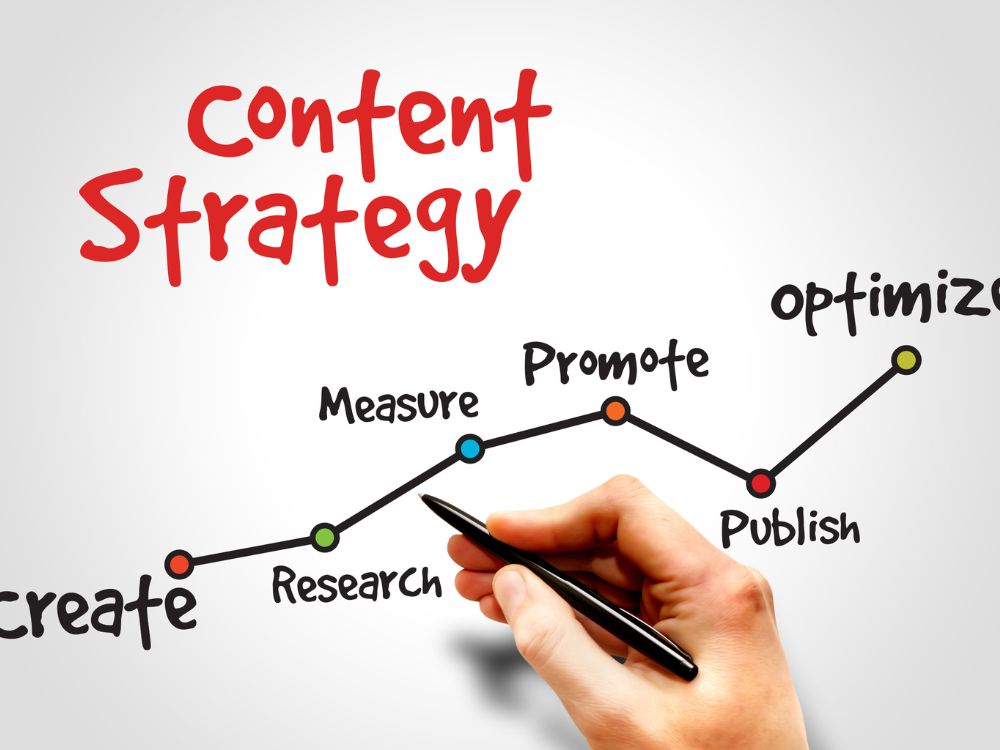
Ah, infographics! These visual masterpieces are like the superheroes of the content marketing world. They can pack a ton of information into a visually stunning, easy-to-digest format that’s perfect for our attention-challenged society.
But what exactly is an infographic, you ask? Well, it’s basically a visual representation of data, information, or knowledge that combines images, charts, graphs, and minimal text to tell a compelling story. It’s like taking a complex topic and breaking it down into bite-sized, visually appealing chunks that even the most attention-deficit viewer can understand and appreciate.
And here’s the kicker: infographics have a superpower that every marketer dreams of – they can go viral! I’m talking about infographics that get shared like wildfire across social media, generating tons of traffic, backlinks, and brand exposure along the way.
So, there you have it – a crash course in the power of infographics and how to create ones that have the potential to go viral. With the right content, design, and promotion tactics, you could be just one infographic away from capturing the attention of thousands, or even millions, of potential customers!
Webinars – they’re like virtual classrooms where you can share your expertise with an engaged audience in real-time, no matter where they are in the world. And let me tell you, when done right, they can be incredibly powerful tools for driving traffic, leads, and sales.
But what exactly is a webinar, you ask? Well, it’s basically an online seminar or presentation that allows you to share your knowledge, insights, and best practices with a live audience. Whether you’re discussing the latest industry trends, teaching a hands-on tutorial, or showcasing a product demo, webinars give you the opportunity to directly engage with your viewers and deliver immense value.
And the best part? You can do it all from the comfort of your own office (or even your pajamas if you’re feeling fancy). With the power of video conferencing software and online platforms like GoToWebinar or Zoom, you can create a professional, interactive webinar experience that rivals any in-person event.
But hosting a successful webinar takes more than just hitting the “Start Broadcast” button. You need to plan and execute it like a well-oiled machine. That means choosing the right topic, promoting the heck out of it, creating engaging visuals and content, and most importantly, delivering an experience that keeps your audience enthralled from start to finish.
It’s not just about talking to your attendees – it’s about creating an interactive dialogue. Encourage questions, polls, and real-time feedback to keep your viewers engaged and invested. And don’t forget to bring that charisma and personality to the screen – think of it like a live performance, where you’re entertaining and educating your audience at the same time.
And the benefits of webinars go far beyond the live event itself. By recording your webinar, you can repurpose that content into on-demand videos, podcasts, blog posts, and more. That means extending the reach and shelf life of your valuable content, and giving people even more opportunities to discover your brand and expertise.
So, whether you’re using webinars to generate leads, nurture existing customers, or showcase your thought leadership, the key is to approach them with the same level of preparation, professionalism, and showmanship as you would any other high-stakes event. With the right strategy and execution, you can turn a simple webinar into a powerful content marketing weapon that drives traffic, engagement, and conversions for your business.

Ah, blogging – the OG of content marketing. You know, back when blogging first started taking off, a lot of people thought it was just a fad. “Who wants to read someone’s online diary?” they said. Boy, were they wrong!
Fast forward to today, and blogging is still going strong as one of the most effective forms of content marketing. And with good reason – blogs offer a direct line of communication between you and your audience, allowing you to showcase your expertise, share valuable insights, and build a loyal following of engaged readers.
But let’s rewind a bit and talk about what exactly a blog is. At its core, a blog is simply a regularly updated website or web page where you publish articles, also known as blog posts, on a particular subject or topics related to your business, industry, or areas of expertise. It’s like an online journal or magazine that you own and control, giving you a platform to share your thoughts, ideas, and content with the world.
And the beauty of blogging lies in its versatility. You can write about anything that’s relevant to your target audience –
The key is to consistently deliver high-quality, well-written content that provides value to your readers and positions you as a knowledgeable, trustworthy source of information.
But it’s not just about churning out content for content’s sake. To really leverage the power of blogging, you need to focus on creating engaging, shareable content that encourages readers to interact, comment, and share your posts with their own networks. This helps you build a community around your brand and establish yourself as a thought leader in your industry.
And let’s not forget about the almighty search engines. By optimizing your blog posts for relevant keywords, using proper formatting and structure, and regularly publishing fresh content, you can improve your website’s visibility in search results and drive more organic traffic to your landing pages and offers.
So, why are blogs still so darn effective in today’s content-saturated world?
Because they offer a direct channel for communicating with your audience, building trust and credibility, and showcasing your expertise in a way that other content formats simply can’t match. And when combined with social media promotion, email marketing, and other tactics, a well-executed blog can be a powerhouse for driving traffic, leads, and sales.
So, if you haven’t already, it’s time to get on the blogging bandwagon. Because no matter how much the digital landscape evolves, a strong, consistent blog will always be a cornerstone of an effective content marketing strategy.
Now, I know what you might be thinking – “This is all great, but there are so many different types of content marketing out there. How do I know which ones will work best for my business?”
That’s a fantastic question, and the truth is, there’s no one-size-fits-all answer. The types of content that will be most effective for your business will depend on a variety of factors, like your industry, your target audience, your goals, and your resources.
But don’t worry, I’m here to help you navigate this minefield of content possibilities and find the formats that are most likely to resonate with your ideal customers.
The key here is to start with a handful of content types that you think will work best, and then experiment, measure, and refine your strategy based on the data and results you’re seeing. Don’t be afraid to try new things and pivot as needed – the content marketing landscape is always evolving, and what works for one business might not work for another.
Remember, the most effective content marketing strategy is one that aligns with your audience’s preferences, supports your business goals, and plays to your strengths and resources. By taking the time to understand these factors and continually testing and optimizing your approach, you’ll be well on your way to content marketing success.

Alright, now that we’ve covered the foundations of building an effective content marketing strategy, let’s get into some practical tips and best practices that can help you take your landing page content to the next level. Think of this as your cheat sheet for content marketing success!
Tip #1: Know your audience inside and out. I’m talking about going beyond basic demographics and really understanding their pain points, interests, content preferences, and consumption habits. The better you know your target customer, the more relevant and engaging your content can be.
Tip #2: Prioritize quality over quantity. Don’t fall into the trap of churning out mediocre content just for the sake of having something to publish. Focus on creating truly valuable, well-researched, and high-quality pieces that will captivate your audience and position you as a thought leader.
Tip #3: Mix up your content formats. Keep things fresh and engaging by incorporating a variety of content types into your strategy, like blog posts, videos, infographics, webinars, and more. This will appeal to different learning styles and preferences within your audience.
Tip #4: Optimize for search engines. Make sure your content is optimized for relevant keywords and follows best practices for structure, formatting, and metadata. This will improve your visibility in search results and drive more organic traffic to your landing page.
Tip #5: Leverage visuals. People are visual creatures, so don’t underestimate the power of images, graphics, and other visual elements in your content. They can make your pieces more engaging, shareable, and memorable.
Tip #6: Tell stories. Storytelling is a powerful way to connect with your audience on an emotional level. Weave narratives, examples, and case studies into your content to bring your message to life and make it more relatable.
Tip #7: Promote, promote, promote. Creating great content is only half the battle. You need to actively promote and distribute your content through channels like social media, email, influencer outreach, paid advertising, and more. Don’t let your hard work sit idle!
Tip #8: Repurpose and repackage. Don’t let your content have a short shelf life. Repackage and repurpose it into different formats (like turning a blog post into a video or an infographic) to extend its reach and appeal to different segments of your audience.
Tip #9: Analyze and optimize. Regularly review your content performance data to identify what’s working and what’s not. Use these insights to refine your strategy, double down on successful formats and topics, and continually improve your approach.
Tip #10: Be consistent and patient. Content marketing is a marathon, not a sprint. It takes time to build an audience, establish authority, and see results. Stay committed to a consistent publishing schedule, and don’t get discouraged if you don’t see immediate returns. Trust the process, and the rewards will come!
Follow these 10 tips, and you’ll be well on your way to creating a content marketing strategy that engages your audience, drives traffic to your landing page, and ultimately boosts your conversions and sales. Remember, it’s all about providing value, building trust, and positioning your brand as a go-to resource in your industry.
We’ve covered a lot of ground on effective content marketing strategies, tips and best practices. But now, let’s flip the script a bit and talk about some of the biggest pitfalls and mistakes to steer clear of when it comes to content marketing for your landing page.
Mistake #1: Neglecting to define your target audience. Creating content without a clear understanding of who you’re speaking to is like throwing darts in the dark – you might occasionally hit a bullseye by sheer luck, but it’s not a sustainable strategy. Take the time to research and define your ideal customer personas.
Mistake #2: Focusing too much on selling, not enough on providing value. Content marketing isn’t just a thinly veiled sales pitch. It’s about building trust and establishing your brand as a valuable, go-to resource. If all your content screams “Buy my stuff!” people will tune out.
Mistake #3: Producing low-quality, mediocre content. In a content-saturated world, sub-par content simply won’t cut it. Invest the time and resources into creating truly exceptional, high-quality pieces that will captivate your audience.
Mistake #4: Failing to optimize for search engines. If your content isn’t optimized for relevant keywords and search engine best practices, you’re missing out on a huge opportunity to drive organic traffic to your landing page.
Mistake #5: Ignoring visual elements. Text-heavy content can be a snoozefest. Incorporate engaging visuals like images, graphics, and videos to make your pieces more eye-catching and memorable.
Mistake #6: Neglecting to promote and distribute effectively. Even the best content is useless if no one sees it. Don’t skimp on actively promoting and amplifying your content’s reach through social media, email, influencer outreach, paid ads, and more.
Mistake #7: Inconsistent publishing and lack of patience. Content marketing is a long game – it takes time and consistency to build an audience and see results. Don’t get discouraged if you don’t see immediate returns, and stick to a regular publishing cadence.
Mistake #8: Failing to repurpose and repackage content. Don’t let your hard work have a short shelf life. Repurpose and repackage content into different formats to maximize its reach and appeal.
Mistake #9: Not analyzing and optimizing based on data. If you’re not regularly reviewing your content performance metrics and making data-driven optimizations, you’re missing out on valuable insights that could improve your strategy.
Mistake #10: Treating content marketing as an afterthought. Content marketing shouldn’t be a bolt-on tactic – it needs to be an integral part of your overall marketing and advertising strategy, closely aligned with your business goals and objectives.
Steer clear of these 10 common pitfalls, and you’ll be well on your way to avoiding costly mistakes and maximizing the impact of your content marketing efforts. Remember, the key is to provide value, build trust, and create a seamless experience that guides your audience towards conversion on your landing page.

As you dive deeper into the world of content marketing for your landing page, I’m sure a ton of questions are bubbling up. That’s totally normal – there’s a lot to wrap your head around!
To help put some of those burning questions to rest, let’s go through some frequently asked queries about landing page content marketing. Think of this as your one-stop FAQ resource!
A: Finding a constant stream of new content ideas can definitely be a challenge. Try techniques like researching industry trends and hot topics, digging into your own customer data to identify pain points and questions, or even surveying your audience directly to understand their interests.
A: There’s no one-size-fits-all answer here, as the ideal frequency depends on factors like your industry, audience, and bandwidth. Some general guidelines – aim for at least one new blog post per week, visual content 1-3 times per week on social, and monthly “pillar” premium content like whitepapers or webinars.
A: Not necessarily. Focus on quality over quantity. Longform in-depth pieces can work well for things like ultimate guides or whitepapers, but shorter, punchy content like social media posts or blog teasers can drive engagement too. The ideal length depends on the content type and the audience’s preferences.
A: Map out your priorities based on your goals and audience. Some businesses may see more ROI from video content, while others benefit from a blog-centric approach. Experiment and measure to find the right mix for you, adjusting as needed over time.
A: Key metrics include website traffic, time on page, bounce rate, social shares, lead generation, comments, email subscription growth, and ultimately sales/conversions. But focus on the KPIs most tied to your specific objectives.
A: Build out a promotion checklist covering top channels like email, social media, industry publications, influencer outreach, paid ads, etc. Look into marketing automation tools that can streamline the process. Start with the channels where your audience is most active.
A: Top-funnel content should focus on building awareness – think blog posts, social media updates, infographics. Middle-funnel = addressing pain points, building trust through webinars, videos, guides. Bottom-funnel = case studies, product demos, offers aimed at driving conversions.
Phew, that was a lot of Q&A! But I hope covering some of these common queries helps clear up any confusion you might have. Remember, content marketing is a learning process – don’t be afraid to experiment, make mistakes, and keep asking questions as you go!
Wow, what a journey we’ve been on together! We’ve covered so much ground when it comes to leveraging content marketing to drive traffic to your landing page and supercharge your overall advertising strategy.
From understanding the fundamentals of content marketing, to exploring different formats like blogging, videos, infographics, and webinars, we’ve delved deep into the world of creating and sharing valuable, engaging content that resonates with your target audience.
Along the way, we’ve discussed the importance of knowing your ideal customers inside and out, aligning your content efforts with specific business goals and objectives, and choosing the right mix of content types that play to your strengths and resources.
We’ve also dived into practical tips for building an effective content marketing strategy – optimizing for search engines, leveraging visuals, telling compelling stories, actively promoting and distributing your content, and continually analyzing and optimizing based on data-driven insights.
And let’s not forget about the pitfalls to avoid – like neglecting to define your target audience, producing mediocre content, failing to optimize for search, and treating content marketing as an afterthought rather than an integral part of your broader marketing efforts.
Phew, that’s a lot of ground we’ve covered! But I hope you’re walking away from this feeling empowered, inspired, and armed with the knowledge and tools to take your landing page content marketing to new heights.
Remember, content marketing is a long game. It’s about building trust, establishing thought leadership, and creating a loyal, engaged audience that sees your brand as a go-to resource. It takes time, consistency, and a willingness to experiment, learn, and adapt.
But the rewards are worth it. By providing value, addressing your audience’s pain points, and guiding them through the entire buyer’s journey with content, you’ll not only drive more traffic to your landing page but also foster stronger connections with your customers, boost brand awareness, and ultimately drive more conversions and sales.
So, what are you waiting for? It’s time to take action and put these content marketing strategies into play. Start by defining your goals, understanding your audience, and mapping out a solid plan. Then, dive into creating and sharing exceptional content that showcases your expertise and delivers real value.
And most importantly, don’t be afraid to ask questions, seek out advice, and continually refine your approach along the way. Content marketing is an ever-evolving landscape, and staying curious, adaptable, and committed to learning will be key to your long-term success.
Trust the process, stay patient, and keep delivering value – that’s the secret sauce to unlocking the full power of content marketing for your landing page and your business as a whole. Now go forth and create some marketing magic!
Where Creativity Meets Simplicity - Customize with Ease! Forget about Coding and Enjoy Designing Your Website.