In the online world, getting traffic to your website or landing page is essential for business success. However, organic search engine traffic can be difficult to attract initially. This is where paid advertising comes in handy. Running paid ads allows you to get targeted visitors to your site right away.
But not all advertising platforms are equal when it comes to delivering landing page traffic. And improperly set up campaigns can waste money without bringing qualified visitors. This article will explore best practices for managing paid search and display ads to maximize traffic and conversions for your landing pages.
We’ll go over the pros and cons of using paid advertising for landing pages so you can weigh up if it’s a worthwhile investment. You’ll learn the terminology, like what exactly pay-per-click (PPC) and dedicated PPC landing pages are. We’ll compare organic versus paid search so you understand how they differ.
There’s also the question of which advertising platform to focus your efforts on. We’ll analyze the benefits of Google Search, Google Display Network, Meta Ads Manager, Bing Ads, and YouTube ads. You’ll find out campaign settings and tips for optimizing each one. And you’ll discover additional paid channels worth testing out.
Finally, we’ll provide a step-by-step walkthrough for setting up effective paid ads to drive visitors to your landing pages. This covers initial planning, setup within ad platforms, campaign management, analysis, and optimization for better results over time.
By the end, you’ll have a clear game plan for tapping into paid search and display to grow your landing page traffic. Let’s get started!
When it comes to driving traffic to your landing pages, paid advertising delivers targeted visitors quickly. But it comes at a cost – literally. So is paying for ads worthwhile for landing page success? There are good arguments on both sides.
The main benefit of paid ads for landing pages is that you can direct laser-targeted traffic to your site right away.
The visitors see your offer or content immediately on entering your page. This increases relevancy and the chances of conversion compared to general website visitors. Most paid platforms also allow detailed targeting options and audience insights to further focus your ads.
In terms of costs, paid channels like Google Ads and Facebook Ads manager charge on a cost-per-click (CPC) or cost-per-impression (CPM) basis. The typical CPC for Google Search ads ranges from $1 to $5 depending on competitiveness. Prices for display ads are lower but add up with more volume. This can control your daily costs but reduce conversions.
Balancing targeting options, costs and conversion value takes some expertise. However, the ROI from paid landing page traffic typically justifies spending for most businesses. For example, a $100 ad spend bringing in $200 of sales equals a 100% ROI. Platforms like Google also optimize for conversions, not just clicks, helping performance.
In summary, despite the costs involved, paid ads are undoubtedly worth the investment for quickly driving targeted landing page traffic. Just be sure to analyze the data properly and optimize based on ROI, not vanity metrics like clicks.
With the right strategy, you can scale profitable paid traffic to maximize conversions.
Pay-per-click (PPC) advertising is a popular online customer acquisition strategy that works on a paid placement model. With PPC ads, advertisers only pay when someone clicks on their ad, hence the name. This makes it a cost-effective way to attract targeted traffic to your landing pages.
In platforms like Google Ads and Microsoft Advertising, ads get displayed on search engine results pages or across their content networks. You bid on relevant keywords and placements based on their value to your business. For instance, a law firm would bid on phrases like “personal injury lawyers” or “workers compensation attorneys”.
When a prospect searches for your bid terms or visits a site showing your ads, they will see a short customizable text ad above or to the side of results. You pay a small fee every time someone clicks your ad. The platforms rank ads based on bid price but optimize for clicks and conversions over time.
Compared to organic search, PPC guarantees immediate exposure and traffic when you set up campaigns properly.
You control spending amounts to meet marketing budgets. And you only pay for interested visitors who engage with your ads, avoiding wasted spend.
In summary, pay-per-click advertising lets you buy targeted website traffic that converts. It’s a flexible, affordable promotion channel that delivers ROI at scale when optimized for landing page conversions. PPC powers the profits for leading companies big and small.
In pay-per-click (PPC) marketing, dedicated landing pages play an important role in converting visitors from ads into buyers. But what exactly is a PPC landing page and how is it different from regular website pages?
A PPC landing page is a standalone web page that is specifically optimized for conversions from paid ads. Its sole purpose is to entice visitors clicking on a particular ad to take a desired action, like making a purchase or signing up.
These landing pages keep the focus on one single offering, product or promotion. They remove all generic website navigation and avoid external links, menus and sidebars. The layout focuses visitor attention on a headline, strong visuals and a prominent call-to-action.
Form fields are minimized to reduce abandonment. And the page sticks to one goal instead of secondary objectives. This improves relevancy between the ad and landing page for higher conversions.
In contrast, regular website pages have divided objectives trying to inform, entertain and sell to a broad target audience. They contain site-wide navigation, menus and extraneous information. So they dilute the focus when it comes to PPC traffic from a specific ad campaign.
Dedicated PPC landing pages streamline the path from initial ad click to final conversion.
They create a laser-targeted experience to earn the desired customer response. This makes them an essential tool for optimizing pay-per-click campaigns.
When looking to drive traffic to your landing pages, you have an important choice – whether to focus your efforts on organic or paid search. While both have benefits, there are several key differences you need to weigh up. This section summarizes the main pros and cons of organic versus paid search.
With organic search, you earn rankings and traffic through on-page optimization and off-page SEO strategies. You invest time and effort rather than money. Traffic volumes start slower but compound over months as you climb rankings for valuable keywords. Visitors who find you organically often convert better as it’s a more natural discovery.
The downside is organic search lacks guarantees. You may struggle getting traction quickly ahead of established sites. Complex algorithms cause fluctuations in rankings and traffic week-to-week. And conversions depend on searcher intent matching your offerings.

In comparison, paid search like Google Ads and Facebook Ads buy instant exposure. You launch campaigns directly on high-traffic platforms rather than trying to rank search engines. Hyper-targeted ads attract motivated visitors. You control spend limits and pay only for conversions.
Negatives include recurring ad costs that add up over time. And tightly targeted traffic may not scale as quickly or convert as well as broader organic. Lower competition brands also see higher costs per lead or sale.
In summary, organic and paid search both have roles for landing page traffic. Generally organic provides sustainable volumes, while paid ads offer a targeted boost. Many brands combine the strategies to maximize visitors and conversions.
When driving paid traffic to your landing pages, a key step is selecting the right advertising platform for your business. With so many options like Google Ads, Facebook Ads and more, how do you choose where to focus? Here are some important factors to consider when picking channels:
First, look at your target audience and where they spend time online. For a B2B company, Google Search could provide the most relevant traffic as people search for industry terminology. For a consumer brand, social ads may reach more buyers daily. Evaluate user demographics as well on each network.
Next, compare targeting capabilities. Can you narrow your focus to very specific groups with the platform? Laser targeting ensures higher quality traffic. Also assess audience insights available to refine approaches further.
Consider historical costs and expected conversions too. If one channel has much higher average CPCs or lower conversion rates, it may not be economical yet. Factor in platform billing models – CPC vs CPM – as well.
Ease of use and existing expertise play a role too. Setting up and optimizing Google Ads, for example, has a learning curve that’s easier to navigate if you have some experience.
Finally, don’t be afraid to test multiple advertising platforms. You can allocate budget across different options to determine the best sources of landing page traffic. Just focus on where the data shows greatest ROI.
By evaluating these key criteria, you can zero in on one or more paid channels that will deliver results.
Google Search ads have become synonymous with pay-per-click advertising for many businesses – and for good reason. For landing page success, Google Search merits strong consideration thanks to these benefits:
In terms of setup, focus on exact and phrase match keyword options which provide the most relevance. Create tightly themed ad groups around products or services rather than one large campaign. Aim for at least 2-3 strong text ads per group to test effectiveness. And set specific landing pages per ad group as well.
When managing search campaigns targeting your landing pages, keep a close eye on metrics like:
Additionally, dive into analytics reports around:
Ongoing optimization is key to improving results month over month. Try A/B testing ad copy and landing page elements like headings. Make small iterative changes rather than dramatic overhauls without cause.
And scale out campaigns to more granular ad groups focused on product lines, location targeting and more. Google will optimize each ad and landing page combo individually the more refined you get.
Stick to these Google Ads best practices for landing page success over the long run.
This covers key points on harnessing Google Search ads to drive targeted traffic to your landing pages.
Beyond Google Search, tapping into the Google Display Network (GDN) can deliver additional value for landing page promotions. Here’s an overview of how Google’s display ads work and tips for success:
The GDN reaches users across over 2 million websites, videos and apps. When people view pages or content related to your niche, your ads can display to re-target prospects or reach new audiences.
Display campaigns attach to a separate dashboard within Google Ads. You can target using an audience-first approach based on categories like demographics, interests, behaviors and more. This casts a wider net compared to search.
The GDN costs less per click on average but clicks and conversions may be more sporadic. Set rules to control impressions and adjust bids down relative to search bids to manage spend. Cap daily totals as needed too.
Consider YouTube and Gmail ad options for more impact. Bumper machine-learning helps optimize 6 second YouTube videos to drive site traffic. Gmail ads in the primary inbox can engage professional/consumer users.
For creative, test a range of ad formats like image, video and responsive across placements. See what content and message resonates based on goals like clicks vs conversions. Optimize to the best formats.
Add UTM campaign tags to GDN ads and sites so clicks can be tracked back separately from search. Build specific landing pages for higher ad relevance as well. This combination gives the best chance for display success with the GDN.
For many consumer-facing brands, Facebook and Instagram ads present a major opportunity to promote landing pages. And the Meta Ads Manager platform makes it fairly straightforward to set up and manage campaigns. Here are some tips:
The key strength of Meta ads is targeting – they offer very granular options between multiple networks to reach specific demographics and buyer personas. You can target interests, behaviors, connections, lookalike audiences and more to hone in.
Ad copy and creatives should align to each platform accordingly – Instagram users respond better to photo/video content while Facebook users engage more with text and links. Create variations to test.
For landing page success, send traffic to dedicated on-site landing pages rather than products pages or general homepages. This improves context relevance for conversions.
Prioritize landing page experience factors like load speed and mobile optimization on Meta channels where the majority of traffic comes from mobile users. This minimizes drop-offs.
Budget for slightly higher cost-per-click and lower conversions compared to search ads as display ads bring more general awareness. Bid strategies like cost caps and target return on ad spend (tROAS) manage costs effectively.
Regularly assess reporting like click delivery, CTR, conversions and return on investment. How campaigns perform over their first 7-30 days indicates wider potential.
In summary, with the right targeting, landing pages and bids in place, Meta Ads Manager offers a scalable new channel to complement search marketing efforts.
While Google dominates search, Bing Ads remain a valuable secondary platform for landing page promotions in certain cases. Here’s an overview:
Despite lower market share, Bing still handles a meaningful volume of monthly searches from Microsoft native users. Windows desktops and Excel still dominate business use for one.
More niche long-tail keywords may be less competitive as well. If you are going after targeted keywords, Bing provides another channel to capture demand.
Costs per click run cheaper on Bing too – typical CPCs are 30-50% less than the same keywords on Google. So ROI potential goes further if you convert visitors well.
The Bing Ads platform itself mirrors Google Ads in terms of campaign setup and capabilities like keyword research. If you run Google campaigns, it’s an easy crossover of skills.
Landing page success factors remain similar – tight theme alignment between ads, keywords and dedicated landing pages. Automated bid strategies also help hit targets.
One difference is Bing places more emphasis on your ad extensions like call, location and app extensions. These can improve CTRs by up to 20%.
In summary, advertisers invested in Google should consider testing Bing Ads as a profitable way to complement existing efforts thanks to reduced competition and costs per conversion.
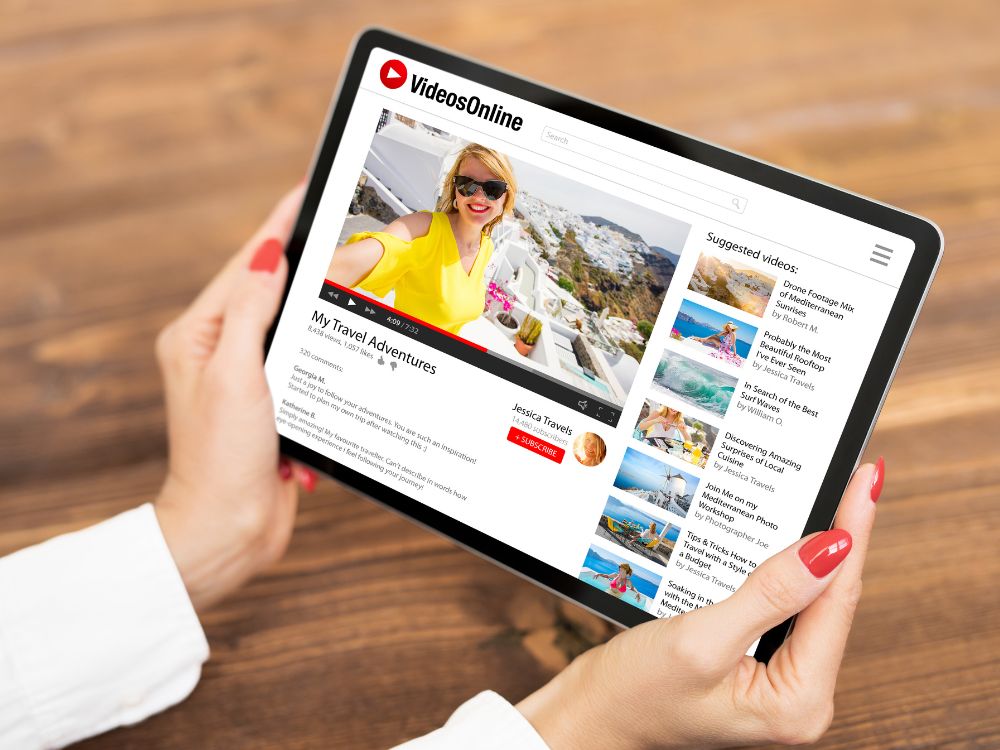
As the #2 search engine and second most visited site globally, YouTube offers massive potential for landing page views through paid video ads. Here are some best practices:
The first step is creating video ads optimized for the platform rather than repurposing existing assets. Short 15-30 second videos with impactful opening sequences work best to engage mobile viewers.
YouTube then allows minute targeting similar to Google Ads – by keyword, topics, placements, remarketing and more. Video creation tools also facilitate targeting.
Write compelling ad copy and add clickable links to landing pages or websites to drive conversions. Calls-to-action within videos boost performance as well.
Prioritize landing page load speed and mobile responsiveness – over 70% of YouTube traffic originates on smartphones. Slow or cluttered pages lead to major drops.
YouTube ads can drive conversions directly by getting viewers to take action without leaving the platform. But to attribute value, still direct traffic to designated landing pages with campaign tracking enabled.
As the most engaging digital ad format, YouTube delivers significant volumes. Combined with precise targeting and optimized landing experiences, it provides standout ROI potential for savvy advertisers.
Beyond dominant channels like Google and Facebook, many other paid advertising platforms deserve consideration for landing page conversions including:
These present complementary outlets to scale paid advertising efforts. Allocate testing budgets to identify niche networks yielding profitable conversions.
Driving conversions from paid ads to landing pages involves strategic setup and ongoing optimization. Follow these key steps for the highest impact:
Sticking to these guidelines as you build out paid search and display campaigns will maximize profits while controlling costs.
Getting paid advertising to effectively drive landing page traffic and conversions can involve some trial and error. Here are answers to some commonly asked questions:
Addressing these and similar questions will help you execute paid search and display campaigns effectively to meet customer acquisition and sales goals through optimizing landing page performance.

Driving highly targeted, qualified traffic to your landing pages through paid advertising channels can produce standout ROI. However, efficiently scaling visits and conversions takes expertise across major platforms.
By now, you understand the full potential of channels like Google Search, Google Display, Facebook Ads and more for landing page success. You recognize the ingredients for optimizing targeting, tight ad/page relevance, bid strategies and campaign analytics.
Don’t view paid advertising in isolation either. Well-designed landing pages that offer a compelling visitor experience work hand in hand with paid traffic sources. Taking an audience-first approach gives you the ingredients for an impactful promotion from start to finish.
Treat landing page optimization as a continuous process as well based on performance data. A/B test elements like headlines, copy, layouts and calls-to-action. Double down on what converts.
The companies excelling at paid search and display today constantly experiment and evolve their pay-to-play growth engine. With the blueprint provided throughout this guide, you are well positioned to tap into paid channels and craft world class landing pages that drive profits.
Now it’s time to put these best practices into play for your business!
Where Creativity Meets Simplicity - Customize with Ease! Forget about Coding and Enjoy Designing Your Website.