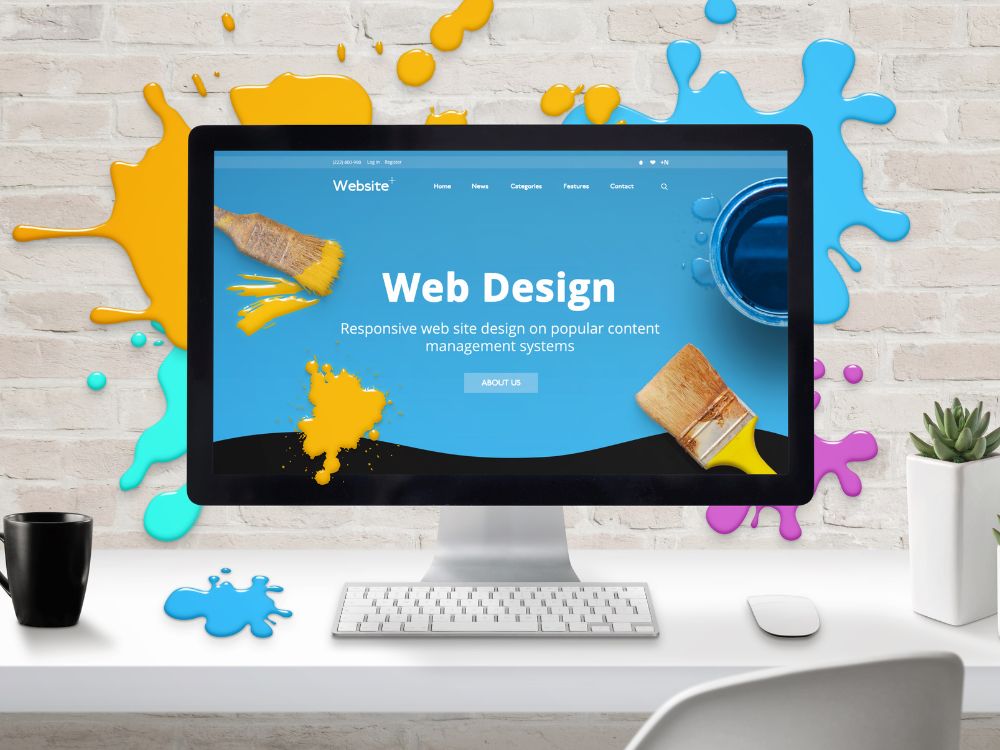
A splash page, also a landing page, have become a staple of digital marketing over the past decade. But what exactly are these pages and why are they so popular?
In simple terms, a splash page is a single web page that serves as the entry point to a website or campaign. It’s meant to grab your attention and interest right from the initial click.
Unlike a traditional homepage which contains site navigation, company information, and other secondary items, a splash page features minimal distractions and a singular focus. The goal is to convey a specific message or offer and get visitors to take action through a call-to-action button or form.
Splash pages are all about first impressions. They set the tone and user experience from the moment someone enters your site. A good splash page will wow and intrigue visitors, while a poor one can turn them off before they go any further.
In today’s world of short attention spans and high expectations, your splash page design and messaging needs to hook users immediately. Otherwise they may just hit the back button and leave your site for good.
So whether you’re launching a new product, promoting an event, building your email list, or driving sales for the holidays, a targeted and well-crafted splash page can be an invaluable part of your digital marketing arsenal.
In this article, we’ll dive deeper into the purpose and anatomy of splash pages. We’ll look at how they’ve evolved over the years along with best practices for maximizing their impact. Let’s get started!
Splash pages go by many names – landing pages, lead capture pages, gateway pages – but they all serve the same core function. At the most basic level, a splash page is a standalone web page that acts as the entry point to a website, campaign, or specific offer.
Unlike traditional website pages, splash pages are all about simplicity and focus. They contain minimal navigation and isolate the key information or call-to-action you want visitors to see. This allows you to control the user experience from the moment someone enters your site.
A typical splash page features a striking visual (like a hero image or video), brief headline and sub-header text, and a prominent call-to-action button. The goal is to capture attention and direct it towards converting on your desired goal, whether that’s a download, email signup, sale, or something else.
Splash pages help highlight a particular product launch, promotion, or marketing campaign. For example, you may create a tailored splash page for a holiday sale, new eBook, or registration for an upcoming webinar.
The benefit of using a separate splash page is that you can optimize the messaging, visuals, and call-to-action for that specific initiative vs. sending all traffic to your general homepage.
While they may contain less overall content, splash pages enable much sharper focus on converting visitors. Less distractions and clutter means higher conversion rates.
So in summary, splash pages act as a gateway to grab attention, convey a focused message, and drive a desired action – all in a simplified standalone layout. They allow you to make a strong first impression and set the user experience up for success.
Now that we know what splash pages are, let’s explore why they can be so effective and what core goals they aim to accomplish.
The main purpose of any splash page is to grab the visitor’s attention and engage them from the very first second they land on your site. This first impression is critical, as you only have a brief window to connect with users and convince them to stay and explore further.
Splash pages allow you to make a strong opening statement with dynamic visuals, minimal clutter, and concise messaging tailored to your campaign or offer. The goal is to wow visitors and get them invested right off the bat.
One of the key jobs of a splash page is to promote something specific – like an upcoming product launch, special sale, or event registration. It provides a platform to highlight the details of your initiative and get users excited through bold graphics, videos, and descriptive copy.
Because splash pages are so focused, they enable you to send targeted traffic from ads or emails directly to a page optimized for that campaign vs. your general homepage. This helps improve conversion rates for your promo.
Splash pages are also excellent lead generation tools. They allow you to collect emails, contact info, or other user data through attention-grabbing calls-to-action like discounts, giveaways, or free trials.
The singular focus of splash pages makes it easy to guide visitors to complete your desired conversion goal, whether that’s a download, signup, purchase or something else entirely.
In summary, the purpose of splash pages is to make a stellar first impression, promote your initiatives, and nudge visitors towards specific actions through an optimized user experience. A good splash page will get your campaign the attention and engagement it deserves.
Splash pages have an interesting origin story and evolution that traces back well before the internet. To understand where they came from, let’s go on a quick journey through the history of splash pages.
The concept of splash pages first emerged in print publications like magazines, catalogs, brochures, and direct mail pieces. Eye-catching graphics and big, bold headlines were used to capture reader attention and promote products or offers.
When the early commercial web arrived in the 90s, digital marketers borrowed this print technique and adapted it for websites. Big, flashy graphics and minimal navigation became hallmarks of early splash pages online.
Throughout the 2000s, splash pages became a staple of web design. They were widely used to highlight ecommerce sales, promote events and product launches, and collect email leads. But problems emerged as mobile devices grew.
With smaller screens and slower connections, large graphics and videos made many splash pages feel clunky on mobile. This caused a decline in their usage and prompted a shift towards responsive web design.
However, as mobile technology continues to advance, splash pages have seen a resurgence in recent years. With better optimization for mobile browsing, they remain a valuable tool for marketers when used for the right goals.
Today, best practices combine striking visuals and simplicity from those early internet days with modern responsive layouts. The fundamentals remain the same, but the execution continues evolving.
So while splash pages have their roots in print, each era of web technology has shaped their design and purpose. By optimizing for the current browsing landscape, they continue providing value for unique campaigns and initiatives.

Splash pages may seem similar to traditional website homepages on the surface, but there are some important distinctions between these two types of landing pages.
The most notable difference is their overall purpose. A homepage aims to give an overview of a brand, provide access to main site sections, and establish credibility as a hub for the entire website.
In contrast, splash pages have a much more narrow focus on highlighting a specific offer, campaign, or initiative. The singular goal is to promote that one thing and drive a desired action.
Homepages tend to contain standard site-wide navigation and page links, contact information, summaries of products/services, and possibly blog or updates sections. Splash pages feature almost none of those usual homepage elements.
Instead, splash pages limit distractions and clutter to focus completely on bold graphics, minimal copy, and a prominent call-to-action tailored to their particular goal.
Essentially, homepages act as a table of contents and established launchpad for an entire website. Splash pages serve as a focused entry point to a specific campaign or promotion.
This purpose dictates the difference in design and content between the two. Homepages take a broader approach while splash pages isolate one message in a simple, targeted layout.
Splash pages are also more temporary in nature. They may be taken down after a limited-time campaign ends, while homepages are persistent long-term.
So in summary, homepages are designed to welcome and educate. Splash pages aim to grab attention for one thing specifically. Their divergent goals shape distinct user experiences.
Splash pages are not appropriate for every situation. To maximize their impact, it helps to know the ideal scenarios where a dedicated splash page makes sense.
One of the most popular uses is promoting product launches or new feature releases. Splash pages allow you to generate buzz and get visitors excited through bold graphics and messaging tailored specifically to the launch.
Driving registrations for in-person or online events also lends itself well to splash pages. The focused layout with dynamic graphics and clear call-to-action makes event signups easy.
Splash pages work extremely effectively for lead generation initiatives. Offering free content or trial offers in exchange for emails helps swell your subscriber list quickly.
Limited-time sales and promotions are another prime use case. Creating a splash page dressed up for Black Friday or a holiday sale helps drive more conversions.
You may also utilize splash pages for certain evergreen offers like downloadable content in exchange for an email signup. The focused lead gen can continually build your lists.
Basically any campaign or initiative that warrants dedicated messaging and visitor focus beyond your homepage can benefit from a tailored splash page experience.
However, splash pages should not completely replace your homepage. Your homepage should still serve as the hub and starting point for general site navigation.
Analyze your upcoming promotions and launches to determine if one or more dedicated splash pages could help you better promote those initiatives and power conversions. The right match is key.
Creating an effective splash page doesn’t require advanced coding skills. With the right tools, anyone can build custom landing pages, even with no web design experience. Here are some tips for creating splash pages:
The easiest way is to use a dedicated landing page builder or website builder that has pre-made templates and drag-and-drop editors. Examples include Leadpages, Unbounce, Instapage, and Wix. These make splash page creation simple and intuitive.
Start by selecting a template or layout appropriate for your goal. Look for designs with a bold hero image or video area, minimal text sections, and a clear call-to-action.
Customize the template by swapping in your own branding assets, images, header text, and call-to-action button messaging. Most builders allow easy editing.
Focus your copy on concise headings that capture attention and subheaders that connect your value proposition. Keep body text short, scannable, and focused on your goal.
Make sure your hero image or video aligns with your messaging. Bright, eye-catching visuals that represent your offer will engage visitors.
Check that your call-to-action button stands out and the action is clear. Test different placement options to determine what converts best.
It’s important to optimize your splash page for mobile responsiveness. Review the page on multiple device sizes and make tweaks as needed.
Connect your splash page to analytics tools like Google Analytics to monitor traffic and conversions. Use this data to continuously optimize the page.
With intuitive drag-and-drop builders, anyone can now create custom, high-converting splash pages that drive results regardless of technical skill level. Follow these tips to maximize effectiveness.
The design elements you choose for your splash page have a significant impact on its ability to grab attention and convert visitors. While splash pages are simple by nature, several components deserve special consideration.
While splash pages are focused, taking the time to refine the various components will make a big difference in your conversion rate and ROI. Align them with your brand and goal.

While splash pages focuses on conversions over organic search traffic, you can still optimize them for discoverability and SEO value. Here are some best practices:
Choose a primary keyword or phrase that aligns with your offer and use it in your headline and subheader text. This establishes relevancy and topic focus.
Creating quality content on your splash pages, even if text is minimal, helps search engines understand the page better and rank it higher.
Make sure your splash page loads quickly. High page speed is a positive ranking factor. Optimize images, enable caching, and compress files.
When possible, link back to authoritative sources from brands and sites relevant to your topic. Inbound links signal trust and authority.
Share your splash page on social media and include your target keyword in the share text. Social signals also indicate quality to search engines.
If generating leads, make sure you have clear data collection forms. Help search bots understand your conversion paths.
Though SEO is not the top priority, following best practices will allow splash pages to rank better organically while still achieving their core purpose.
Optimizing splash pages for maximum impact takes some finesse and testing. Here are some pro tips to help enhance performance:
Mastering the art of high-converting splash pages takes testing and analysis. Follow these tips from the experts to maximize your splash page ROI.
Seeing great splash page examples can provide inspiration and ideas for your own designs. Here are a few standout examples across different industries:
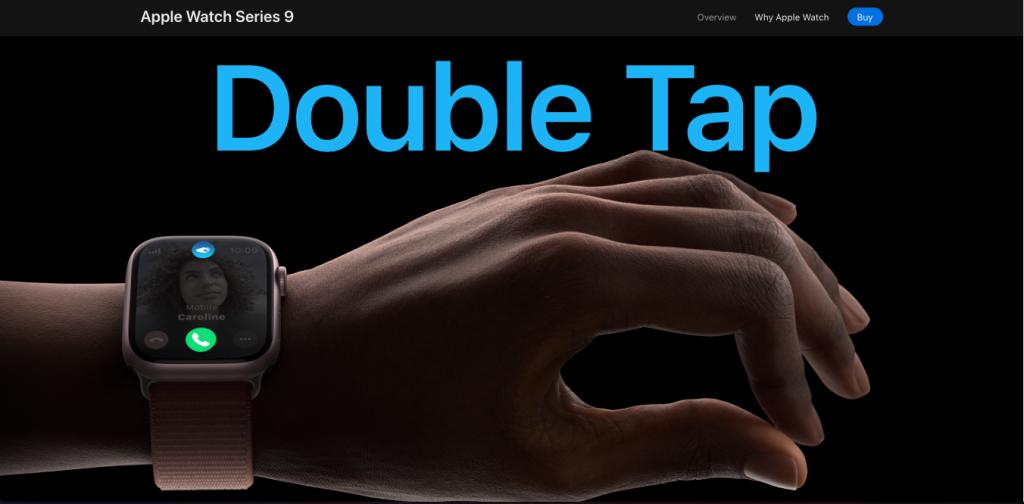


Study these and other top examples in your industry to gather ideas. See what design elements, copy approaches, and CTAs convert best. Then apply lessons learned to your own splash page.
Splash pages remain a valuable tool for marketers given their laser focus on capturing attention and driving conversions.
When used strategically for campaigns, launches, promotions or lead generation, they help you make a bold first impression and guide visitors into taking action.
The minimalist, conversion-centric design ensures your message and call-to-action stand out front and center without distractions.
While early challenges with mobile have impacted their usage, advancements in responsive design and page optimization have helped splash pages make a comeback.
As you explore splash pages for your marketing initiatives, remember the key best practices we covered:
The focused visitor experience of splash pages can elevate the impact of your campaigns and give your website the high-converting entry point it deserves.
Apply these lessons and optimize for your audience. With strategic use of splash pages, you can capture attention and drive results from the very first click.
Where Creativity Meets Simplicity - Customize with Ease! Forget about Coding and Enjoy Designing Your Website.