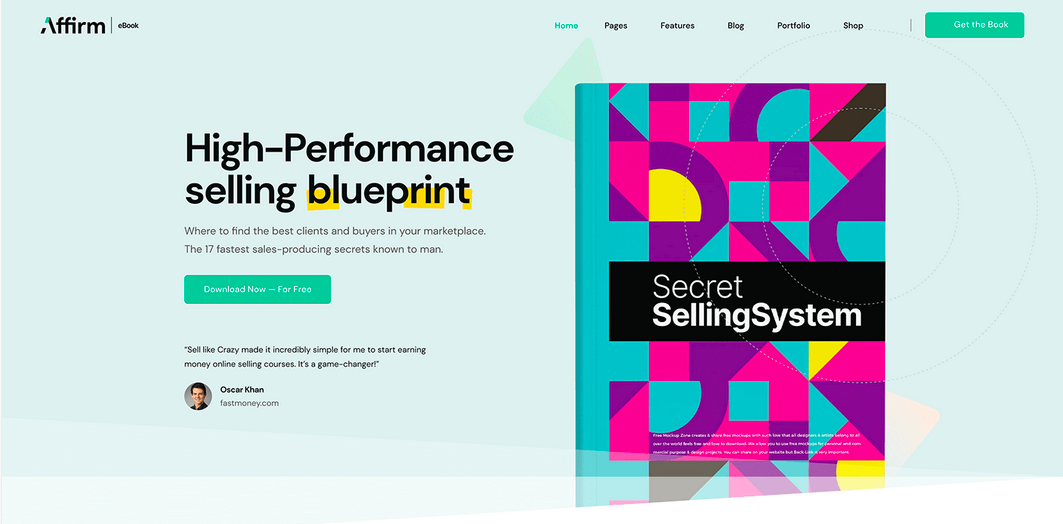
Creating an effective landing page is crucial for any SaaS business looking to generate leads and drive conversions. But let’s be honest – most SaaS landing pages are downright boring or confusing. They end up turning away potential customers instead of reeling them in.
But it doesn’t have to be that way! A well-designed SaaS landing page can capture attention, highlight your product benefits, build trust, and drive conversions.
In this article, I’ll walk you through everything you need to know to create a stellar landing page for your SaaS business. Whether you’re just starting out or looking to optimize an existing page, you’ll learn valuable tips and strategies to make your SaaS landing page really stand out.
From understanding the elements of an effective SaaS landing page, to examples of ones done right, to common mistakes to avoid – I’ve got you covered. With the right landing page in place, you can showcase your SaaS offerings in the best possible light and turn those website visitors into leads and customers.
So buckle up! By the end of this guide, you’ll have all the knowledge and inspiration you need to create a SaaS landing page that captivates attention and drives conversions.
Before we dive into creating a landing page, it’s important to have a clear understanding of what exactly SaaS is.
SaaS stands for “Software as a Service” – essentially it refers to cloud-based software that is licensed on a subscription basis. Rather than purchasing and installing software to use on your own devices and servers, SaaS allows you to access the software and your data entirely online.
Some key characteristics of SaaS include:
Common examples of SaaS applications include customer relationship management (CRM), human resource (HR) systems, email marketing tools, office productivity software like Google Workspace or Microsoft 365, and more.
The SaaS model provides many benefits such as lower upfront costs, flexibility, and accessibility. This has made it a hugely popular option for delivering business applications over the past decade.
Now that we’ve clarified what SaaS is, let’s look at what makes an effective SaaS landing page.
Now that you know what SaaS is, what exactly is a SaaS landing page?
A SaaS landing page is a specialized website page focused on introducing your SaaS product or service and convincing visitors to take a desired action, usually signing up or starting a free trial. It’s dedicated to a single offering rather than your entire company.
An effective SaaS landing page focuses on communicating clear benefits, social proof, and value to prospects. It speaks directly to the ideal target audience and guides them towards conversion goals with clear CTAs.
Key elements of a quality SaaS page include an attention-grabbing headline, compelling visuals, concise copy, testimonials, pricing information, demos, and optimized conversion paths.
In the rest of this guide, we’ll explore best practices for crafting a SaaS landing page that converts.
The SaaS industry has exploded in recent years, with all kinds of software now offered through the cloud on a subscription basis. Let’s take a quick look at some of the most popular categories and types of SaaS products:
And the list goes on – there are SaaS solutions for marketing automation, design collaboration, website analytics, IT management, online learning, and virtually every business need you can think of!
When creating your SaaS landing page, think about how your product fits into the broader SaaS landscape. Who are you competing against? How is your offering unique? Position it effectively within the market.
So why should you invest time and resources into creating a tailored landing page for your SaaS product? There are a few compelling reasons:
In short, a dedicated SaaS landing page allows you to control the narrative around your specific offering and drive conversions in a focused manner. It’s an essential tool for lead generation and sales.
There are a number of important elements to include on your SaaS landing page in order to make it effective. Let’s focus on the top three:
Your main headline and subheadline are like a first impression – they need to instantly communicate your offering and grab attention. Some best practices for SaaS landing page headlines:
Your subheadline then elaborates on the headline and key value proposition. Use it to further draw readers in.
The copy on your SaaS landing page should focus primarily on benefits – how your product can solve problems and help customers. Stay away from features, specs and industry jargon. Articulate benefits through:
Calls-to-action urge visitors to take your desired conversion action. Your landing page should have clear, prominent CTAs that stand out. Some tips:
These are just a few of the most essential elements that make for an effective SaaS landing page focused on driving conversions.
There are many best practices you can follow to optimize your SaaS landing page. Let’s focus on the top four:
Clutter is the enemy of any webpage. Follow the KISS (Keep It Simple, Stupid) principle by sticking to one clear value proposition, a clean and distraction-free layout, concise copy, and a singular CTA. Remove anything that doesn’t directly support conversion goals.
Build trust and credibility by showcasing logos of current customers, customer testimonials, security badges, media mentions, and other forms of social proof. But be selective – a few strong endorsements or recognizable brands carry more weight than a huge logo dump.
Don’t confuse visitors with too many calls-to-action. Guide them to one primary conversion goal like “Start Free Trial” or “Schedule Demo”. This could be signing up for content or a newsletter initially. But focus on moving visitors closer to a purchase.
Relevant, eye-catching photos, illustrations or videos that reinforce what your SaaS does improves engagement. Show your product and users, not just stock photos. But ensure quick load times – loss of patience hurts conversions.
Optimizing along these lines will help your SaaS landing page convert visitors more effectively. Let’s move on to actually creating the page.

So how do you actually go about creating a landing page for your SaaS product? Here are some options:
Having the right start-to-finish process will set you up for landing page success. Let’s look at some templates to consider.
If starting with a pre-made template, how do you find the right SaaS landing page template for your business? Here are some key things to look for:
Using templates can save huge time and effort while still offering customization ability. Pick one aligned to your goals and brand.
It helps to look at real-world examples of effective SaaS landing pages to get inspiration and ideas for your own. Here are a few great examples and what makes them work:

HubSpot – HubSpot uses a bold value prop headline to draw you in. The page highlights key software features for their inbound marketing platform and uses social proof elements like customer logos and testimonials effectively. The bright orange call-to-action stands out.

Mailchimp – Mailchimp’s landing page keeps the layout incredibly simple and focused. The headline and subheadline clearly explain the benefit of their email marketing platform in a conversational tone. The page copy expands on use cases and value. A Sign-up CTA is prominently positioned.

Asana – Asana uses a minimal layout and imagery paired with clear explanatory copy to communicate their project management platform benefit of improving team collaboration. Partner companies add social proof while the value proposition and CTA are crystal clear.
These examples use proven landing page best practices to create high-converting yet aesthetically pleasing pages. Evaluate what works well that you could apply to your SaaS landing page too.
Creating an effective SaaS landing page means steering clear of common pitfalls. Let’s focus on the top 5 mistakes to avoid:
Resist the urge to cram every feature and benefit into paragraphs of dense copy. Landing pages aren’t blog posts. Use concise bullet points, short sentences, and hyperlinked text to communicate value. Remove any fluffy filler words that don’t contribute.
Many SaaS landing pages bury their CTA button or make it visually blend in. Make sure yours stands out prominently with high contrast colors/fonts and action-driven copy like “Start Free Trial”.
Too many elements competing for attention overwhelms visitors and distracts from conversion goals. Maintain a clean layout focused only on your headline, key copy sections, visuals, testimonials and CTA.
A headline that simply describes your SaaS won’t captivate attention. Focus on your biggest customer benefit or the outcome they desire.
Generic stock imagery looks inauthentic. Use real photos of your product, case studies, customer success stories or target customers. This builds relevance.
By learning from past missteps, you can craft a SaaS landing page that converts visitors into leads and customers more effectively. Avoiding these pitfalls is key.
Creating a stellar SaaS landing page does raise common questions. Let’s dive into the top 5 FAQs:
Focus on the core customer problem your SaaS solves rather than features. Quantify benefits like time/cost savings. Use customer-centric language and real-world examples. Test different value prop messaging through A/B testing.
Video can be very engaging but also slows load time. Use a video demo only if it clearly communicates key benefits better than copy. Ensure it’s easily scannable and embedded for performance.
“Start Free Trial” or “Schedule Demo” are commonly effective CTAs that move visitors toward conversion. Avoid passive CTAs like “Learn More” that don’t push them along the funnel.
Social proof like customer testimonials, logos, security badges, and case studies help build credibility. Focus on quality over quantity. Only showcase brands your audience recognizes and admires.
Incorporate relevant keywords naturally in headlines, subheads, and copy. This helps SEO while also improving on-page user experience. Don’t over-optimize at the expense of user experience.
Addressing SaaS landing pages questions specific to conversion rate optimization, copywriting, trust factors and more will help boost your results. Test and refine continuously. Optimizing your SaaS landing page is an ongoing process of refinement and improvement. Addressing these common FAQs will set you up for better results.

Let’s recap some of the key takeaways:
With the right elements in place, your SaaS landing page can capture attention and drive conversions more successfully. Apply these tips and optimize continually.
Let’s wrap up with some final thoughts.
Creating a high-converting SaaS landing page is crucial for generating more leads and customers for your business. It allows you to present your offering in the best possible light and guide visitors into becoming leads and customers.
But there are many nuances to building an effective SaaS landing page as we’ve covered in this guide. From articulating your value prop to choosing the right template to avoiding common pitfalls – it’s important to get all the elements right.
The examples and strategies provided give you a blueprint for SaaS landing page success. Focus on simplicity, clarity of messaging, proof elements and optimized conversion paths above all else.
Landing page creation is an iterative process. Continue to refine and test new versions to improve results. Track metrics like traffic sources and conversion rates to identify what’s working.
With a stellar SaaS landing page that speaks directly to your ideal customers, you can grow your business and achieve your revenue goals more rapidly.
Hopefully this guide has provided all the tips, examples and advice you need to create an engaging, high-converting landing page for your SaaS business. Now go out there and put these tips into practice!

Where Creativity Meets Simplicity - Customize with Ease! Forget about Coding and Enjoy Designing Your Website.