In today’s digital landscape, companies rely on online lead generation strategies to drive sales and grow their business. Lead generation involves attracting prospective customers and capturing their interest or contact information so you can continue nurturing them down the sales funnel. This is where lead generation landing pages come in.
Lead generation landing pages, also known as lead capture pages, are specialized pages on your website that are laser-focused on converting visitors into leads. Their sole purpose is to entice visitors to take a specific call-to-action, like downloading a content offer, signing up for a trial, or providing their contact information in exchange for something of value. Unlike your homepage or blog, lead gen landing pages speak directly to your target audience and get them to take action after clicking on an ad, email, or other digital promotion.
Crafting high-converting lead generation landing pages is a crucial skill for marketers and businesses looking to increase sales qualified leads. In this article, we’ll explore what makes an effective lead gen landing page, why they’re so important for lead generation, and tips for creating your own optimized lead capture pages.The Purpose of Lead Generation Landing Pages
The Importance of Using Lead Generation Landing Pages
Lead generation landing pages have a few important goals:
Generate leads – The #1 goal is to convert visitors into leads by capturing their contact information like name, email address, phone number, etc. This allows you to identify and qualify new potential customers.
Promote offers and content – Landing pages highlight special content and offer downloads like eBooks, whitepapers, free trials, coupons, etc. to encourage visitors to convert in exchange for something valuable.
Segment traffic – Landing pages can target specific audiences versus general website traffic. Pages can be tailored with messaging and offers aimed at high-quality leads.
Support ad campaigns – Landing pages are important for capturing leads from digital ads. The pages continue the sales process initiated by the ad and convert ad traffic into contacts.
Simplify decision-making – Well-designed pages simplify the decision to convert by focusing on a single call-to-action and reducing distractions. This increases conversion rates.
Set up lead nurturing – By offering something of value in exchange for contact information, you can start nurturing leads through emails and continue guiding them through the sales funnel.
In summary, optimized lead gen landing pages are essential for turning passive website visitors into active, qualified marketing or sales leads for your business. The pages capture lead contact info, promote offers, segment traffic sources, and keep visitors moving through the funnel.
Defining Lead Generation
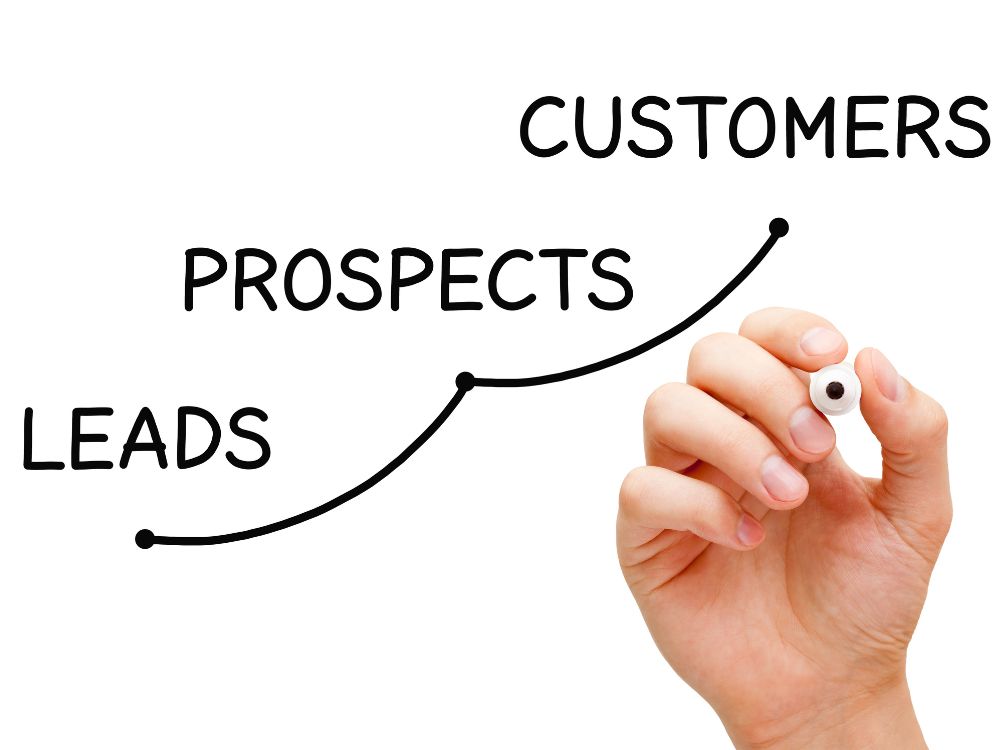
Lead generation is the process of attracting prospective customers and capturing their interest or contact information so you can potentially turn them into paying clients for your business. It involves identifying, qualifying, and nurturing leads until they are sales-ready.
More specifically, lead generation activities aim to:
Attract prospective buyers and capture their attention through targeted marketing campaigns and content. This initial brand awareness and interest defines a marketing lead.
Convert interested prospects into sales leads by capturing key contact details like name, company, email address, phone number, etc. This allows you to qualify leads and identify those most likely to convert to customers.
Build relationships with qualified leads through lead nurturing tactics like email, social media, personalized content, and sales calls. This helps move leads down the funnel on the path to becoming customers.
Generate opportunities for the sales team to close business and generate revenue by continuously feeding them pre-qualified sales leads.
Lead generation is focused on the top-of-funnel activities that occur before leads become sales-qualified and convert into customers. It is an ongoing process that leverages marketing and sales resources to attract, qualify, and nurture prospects until they are ready to buy. Having an effective lead generation strategy is essential for driving growth.
Different Lead Types in Business
There are a variety of lead types that serve different goals for businesses:
Sales leads – These leads have been identified and qualified by sales as showing solid potential to become customers. They match target buyer profiles and are sales-ready. Sales focuses efforts on closing deals with these leads.
Marketing leads – These are prospects attracted through marketing efforts like ads, email campaigns, content offers, etc. They have shown initial interest but need to be further qualified before becoming sales leads. Marketing nurtures these leads to move them down the funnel.
Event leads – Trade shows, webinars, and other events are great for lead generation by interacting directly with prospects. Contact info is captured from those attending or downloading event resources.
Customer leads – Existing happy customers can provide referrals and references that convert into valuable new business leads already familiar with the brand.
Partner leads – Strategic business partners often share leads and make introductions to each other’s services that convert due to established trust.
Social media leads – Platforms like LinkedIn, Twitter, and Facebook allow generating and engaging prospects where they are already active online.
Website leads – Landing pages, contact forms, lead magnets, and website chat features help capture leads directly from your own website traffic.
Clearly defining lead types, sources and the qualification criteria allows businesses to segment and prioritize their lead generation efforts for the best return on investment. Matching leads to the sales stage and assigning ownership helps ensure they are effectively nurtured toward conversion.
How Lead Generation Landing Pages Convert Visitors
Lead generation landing pages are designed to convert passive website visitors into active leads by persuading them to take a specific action. These pages use various elements to drive conversions:
Headlines – Compelling, benefit-focused headlines capture attention and interest from prospective leads.
Copy – Well-written copy focuses on explaining the offer, its value, and why visitors should download it by providing their details.
Visuals – Images, video, graphics make the page visually appealing while reinforcing key messaging.
Offer – The lead magnet or gated content provides compelling value in exchange for lead contact information.
Calls-to-Action – Prominent CTAs urge visitors to take the desired action rather than leave the page.
Page Design – Simple, organized layouts make it easy for visitors to find and fill out conversion forms.
Trust Signals – Elements like testimonials, security badges, company logos build credibility to nudge conversions.
Optimized landing pages make it easy for visitors to say “yes” to the conversion offer. Reducing friction in the lead capture process results in higher conversion rates. Testing different page variants allows further optimization of elements.
Lead gen landing pages are crucial because typical website pages are not designed to actively convert visitors. Static content alone does not persuade leads – targeted landing pages outperform other pages in converting prospects.
Best Practices for Lead Generation Landing Pages
Creating high-converting lead gen landing pages takes strategic planning and optimization. Here are some best practices:
Strong, benefit-focused headline – Summarize the offer and highlight its value for visitors.
Effective copy – Use concise, scannable copy focused on persuading visitors to convert. Emphasize benefits.
Clear call-to-action – Prominent, contrasting CTA buttons urge visitors to take the next step.
Relevant visuals – Images, infographics, video help engage visitors and reinforce messaging.
Simple page design – Clean layouts, ample white-space, and logical information flow improves conversion rates.
Mobile optimization – Pages should be responsive or have a dedicated mobile design to ensure lead capture on mobile devices.
Promotions – Offer time-bound discounts or extra bonuses to incentivize lead capture.
Social proof – Testimonials, customer logos, and security badges establish credibility and trust.
Reduced distractions – Keep links, navigation, and ads minimal to keep focus on converting.
Page speed – Fast load times create a smooth user experience and aid conversions.
Testing and optimizing landing pages never stops. Continuously experiment with versions and monitor conversion metrics to maximize the number of visitors becoming leads.
How to Build an Effective Lead Generation Landing Page
Creating high-converting lead generation landing pages takes strategic planning and execution. Follow these key steps:
Set conversion goals – Define the specific call-to-action and target conversion rates to properly optimize the page. Track with analytics.
Understand your audience – Create customized buyer personas that identify your ideal target audience. Map out their journey to create relevant landing pages.
Craft a compelling offer – The lead magnet (ebook, coupon, etc.) should provide awesome value in exchange for lead contact information.
Optimize page copy – Write concise copy and headlines focused on persuading visitors to convert and highlighting offer value.
Design for conversions – Use layouts, visuals, and CTAs that make it easy for visitors to convert on the offer.
Integrate lead capture forms – Seamlessly embed smart lead gen forms to collect contact information from converters.
Promote your page – Drive targeted traffic to the landing page through paid ads, email marketing, social media, SEO and more.
Continuously test and optimize – A/B test versions of headlines, copy, designs, offers etc. to increase conversions.
With strategic planning, copywriting, and design, you can create custom landing pages that convert casual website visitors into high-quality leads for your business.
Lead Generation Landing Page Examples
Analyzing examples of effective lead generation landing pages can provide great inspiration for optimizing your own pages. Here are some top examples:
Dropbox – Dropbox landing pages highlight special content offers like guides and ebooks that provide value in exchange for work emails.
Teachable – Teachable’s pages speak directly to their online course creator niche and highlights instructor success stories.
The most effective landing pages reflect strong branding, compelling copy, excellent visual design, and clear calls-to-action tailored to each unique offer and audience. Testing and optimizing based on conversion metrics can help improve results.
Additional Considerations When Creating a Landing Page
Beyond core design and copy, there are some additional factors to consider when creating and managing landing pages:
Lead handling – Integrate forms with your CRM to seamlessly capture and manage leads generated from the landing pages. Use lead scoring to qualify.
Privacy and compliance – Ensure lead capture forms and landing pages follow legal and regulatory requirements for data collection and privacy policies.
Page speed – Fast load times are essential for lead gen landing pages. Optimize images, minify code, use caching, and efficient web hosting.
Mobile optimization – With growing mobile traffic, responsive design or dedicated mobile pages are key for lead capture. Test on mobile devices.
Lead nurturing – Have post-conversion follow-up emails or ads ready to continue engaging captured leads. Send relevant content offers.
Tracking and analytics – In-depth tracking provides data on traffic sources, conversions, drop-offs etc. to optimize pages. Integrate analytics tools.
Security – Use SSL encryption and follow data security best practices to safely collect and transmit lead data.
Maintenance – Continuously test new page versions and keep content updated. Replace underperforming landing pages.
Planning for these technical, operational and legal considerations will allow you to execute landing page campaigns effectively and continuously optimize performance.
Key Takeaways and Conclusion
Lead generation is a crucial activity for driving business growth. To generate quality leads, companies need effective lead capture strategies in place. Well-designed, optimized lead generation landing pages are essential for converting website traffic into contacts you can nurture into becoming customers.
This article covered a lot of ground on the purpose, importance, and best practices for creating high-converting lead gen landing pages. The key takeaways include:
Lead gen landing pages have specific conversion goals. They capture contact information from visitors in exchange for offers.
Dedicated lead capture pages convert at much higher rates than ordinary website pages. They are worth investing in.
Follow proven best practices for copy, design, CTAs, and more when crafting your landing pages.
Continuously test and optimize page elements to improve conversion rates over time.
Go beyond just page design to consider technical factors like speed, mobile optimization, analytics, and lead handling.
With strategic planning and testing, lead generation landing pages can become a powerful asset for your digital marketing campaigns and sales prospects. Use the templates and advice in this guide as a starting point for creating customized, high-converting lead capture pages. Just remember to stay focused on providing value and relevant content to potential leads. Done right, landing pages will quickly become an invaluable addition for generating and qualifying business leads.