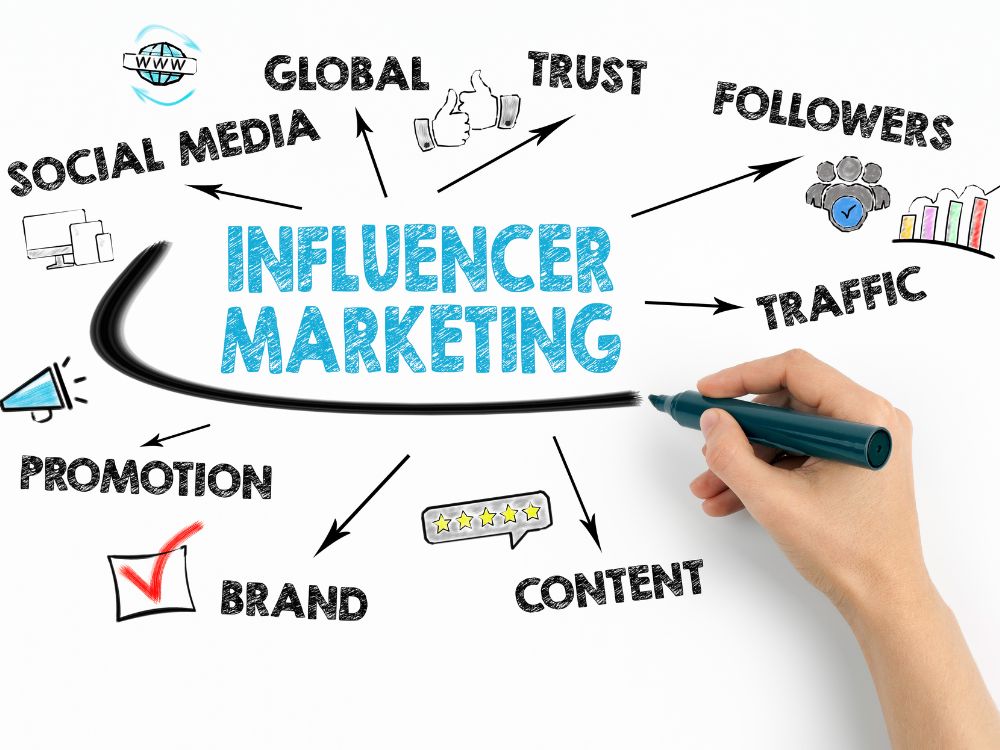
So you’ve probably heard about influencer marketing and using a landing page for advertising, but how exactly can you bring these two strategies together? Great question.
Influencer marketing has become all the rage these days for reaching targeted audiences through popular social media personalities and content creators. And landing pages allow you to direct traffic towards a singular call-to-action. Using both together can be a match made in digital marketing heaven.
But influencer marketing tends to focus on brand awareness and social promotion, while landing pages are laser focused on getting conversions. So how do you align those different objectives? Well, that’s what this article will explore in depth!
I’m going to break down exactly how you can leverage influencers to drive high quality traffic to optimized landing pages. We’ll get into the specifics including choosing the right influencers, creating synergistic campaigns, tracking meaningful metrics, and more.
There’s definitely some strategy involved to find that sweet spot between awareness and conversions. But when you bring together influencers as traffic drivers combined with conversion-focused landing pages? You get a powerful advertising approach.
This article will teach why and how to mix influencer content with landing page optimization for your next digital marketing campaign. So whether you already use one or both of these strategies or are just getting into them, you’ll find actionable tips to boost your results. Shall we get started?
So before we dive into using influencers specifically for landing pages, we should clearly define what influencer marketing is all about. Fair enough?
In a nutshell, influencer marketing leverages popular social media personalities and content creators to promote a brand.
Rather than direct advertising, it focuses on organic influence through affiliates producing blogs, videos, social posts and more.
These influencers have built loyal followings in their niche. And they have a major sway over consumer opinions and purchase decisions. So partnering with the right influencers provides amazing opportunities to organically reach very targeted audiences.
There are mega celebrity influencers of course, like Kylie Jenner who charges over $1 million per sponsored post. But there are also micro-influencers with smaller, highly engaged communities on Instagram, TikTok, YouTube and beyond. The key is finding influencers with strong connections and engagement for your goals and audience.
The content itself also varies widely, from simple product shoutouts to in-depth reviews, spotlights in a popular video series and co-created content partnerships. There are lots of creative ways to collaborate.
The most important thing is that influencer marketing relies on an influencer’s social proof and relationship with their following. It’s about tapping into established trust and their ability to directly impact opinions.
Now that we’re clear on what influencer marketing entails, we can look at specifically directing this influence to drive traffic and conversions to landing pages.
Now that we have the basics of influencer marketing down, how exactly can we integrate it with landing pages from an advertising perspective? I’m glad you asked!
The goal here is to leverage the credibility and audience reach of influencers to drive highly targeted traffic to strategically designed landing pages. Rather than lose brand awareness, we want to direct their impact towards an optimized page with a singular conversion goal.
The goal is driving qualified visitors from trusted voices straight into a conversion focused environment – your landing page.
Doing this effectively results in a measurable boost in leads and customers. And the more dialed in your influencer targeting strategy, the bigger the ROI potential.
Make sense why blending influencers with landing pages can transform performance? Now let’s get into more specifics on executing this advertising combo for success…
Using influencers for landing page ads certainly provides some unique advantages. But there are also downsides to consider. Getting clear on the pros and cons will help set proper expectations.
First the good stuff. Influencers inherently provide access to very targeted, relevant audiences. They’ve built deep connections through quality content over time. This allows them to laser focus promotions to buyers actually interested in your offerings. Way better than spray & pray style ads to the masses.
It also leverages trusted voices and social proof. Influencers are seen as subject matter experts and tastemakers by their engaged followers. So their recommendations pack more punch in driving conversions than generic ads.
But it’s not all rainbows and sunshine when using influencers. One downside is it can get quite expensive, especially with celebrity influencers charging insane amounts. Micro-influencers provide more accessible options, but costs add up fast as you scale.
There’s also potential for fake followers and engagement manipulation on social channels. You’ve got to stay vigilant in vetting influencers to confirm it’s real people engaging with their content. No good driving fakes to your landing page.
And finally, you lose a bit of control in letting someone else craft messaging around your brand. It requires close collaboration and mutual understanding to prevent mixed signals or statements you don’t love.
So in summary – huge targeted reach, amplified messaging, and eye-watering costs that may or may not drive real ROI. Hopefully weighing the pros and cons helps set proper expectations! With the right strategy and realistic outlook, influencer marketing and landing pages can excel together.
So clearly there are some major benefits to blending influencers with landing pages. But is it right for everyone? What types of businesses should leverage influencer marketing?
This strategy works best for brands that align well with social media audiences and buying behaviors. For example, consumer products or services targeting younger demographics tend to thrive here. Industries like fashion/beauty, travel/tourism, food & drink are ripe for influencer marketing.
But for complicated B2B offerings or considered purchases, it may not deliver. Someone usually won’t buy enterprise software just because an influencer posted about it for example. Extensive research and multi-layer buying processes require different outreach.
You also need to consider your broader campaign goals. Do you merely want general brand awareness? Then influencer partnerships sending traffic to your homepage could work.
But if you have a very specific offer or conversion goal in mind, tailored landing pages allow you to break performance down to each stage of the funnel. Driving influencer followers straight into that optimized experience can maximize impact.
So B2C brands already succeeding on social channels have the most to gain from strategically combining influencer talents with conversion-focused landing pages. Ensure your industry, products and campaign objectives align for success.
The key is picking the right influencer partnerships and directing their impact towards landing pages optimized for your goals.
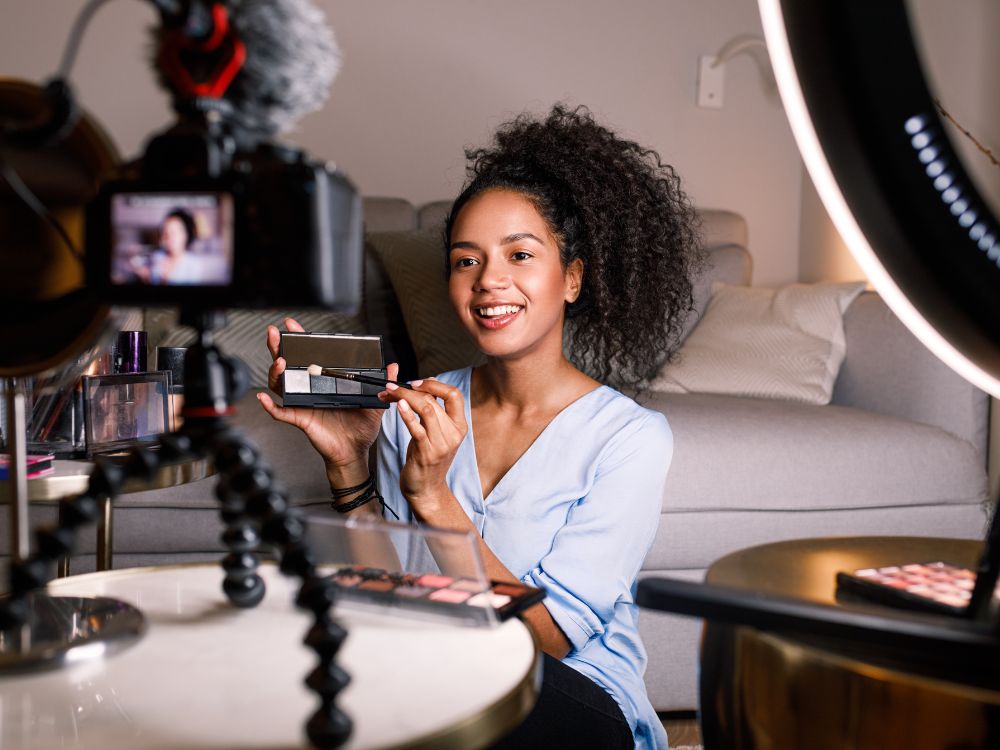
Alright, so we’ve covered the what and why of blending influencers with landing pages. Now let’s get into the nitty gritty how-to steps to make this work…
Use these insights to double down on what works and cut what doesn’t. Be agile in optimizing based on performance data to improve conversion rates over time.
Execute this well at each step, and you’ll have influencers fueling a high-performance landing page engine.
Okay, identifying and vetting the right influencers is clearly critical in all this. The success of your landing page heavily relies on the audience reach and credibility of partnerships driving traffic. No pressure!
Here are my top 10 tips for choosing winning influencer partners:
Vetting the right influencers for your brand and campaign goals takes work. But it’s worth it in aligning content and audiences fueling your landing page. The tips above should help narrow your search to legitimate influencers primed to drive conversions.
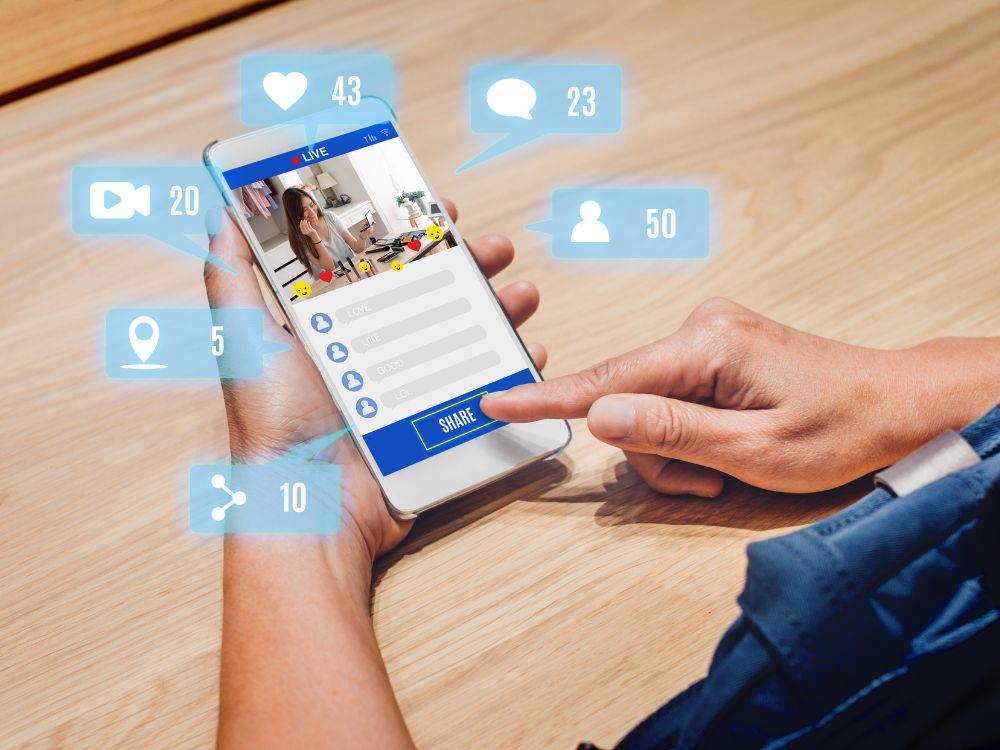
Partnering with influencers can be tricky business if you don’t avoid some common pitfalls. Take it from me – I’ve seen many brands wasting money and hurting their brand by not getting this right.
So to help this sweet combo of influencers and landing pages actually work, here are the top 12 mistakes you need to steer clear of:
Avoiding just some of these common missteps can set you up for success with influencers promoting landing pages tuned for conversions.
We’ve covered a ton so far on pairing influencers with landing pages. But there are still a few additional things brands should consider with this advertising approach.
So in summary – stay vigilant on legal issues, forge authentic partnerships beyond transactions, and don’t neglect thorough content oversight. Weighing aspects beyond direct campaign performance will serve your brand well in the long haul.
Handling the human relationships and fine print smartly prevents the legal and PR pitfalls that can undermine your hard work driving targeted traffic.
We’ve covered a lot so far about the current landscape of blending influencers with landing pages. But what does the future hold for this advertising combo? Where is influencer marketing headed? Great questions!
Well, we can expect continued exponential growth as social media usage and content creation opportunities explode globally. There’s no shortage of emerging platforms like TikTok where creative influencers can build audiences hungry for recommendations.
Influencers themselves will likely expand their monetization models even further beyond sponsored posts. More will launch product lines capitalizing on their personal brand. Some are even building dedicated e-commerce channels and optimized shopping experiences rivaling traditional retailers.
And brands will need to entice greater innovation in campaign formats beyond the same old stuff we see everywhere currently. Expect to see more gamification, live streams, shoppable video content, and experiential activations emerge through future influencer partnerships.
New technologies are also improving attribution, fraud detection and content automation – helping address some of the historical challenges in influencer marketing. Things like AI and AR integration provide engaging new storytelling mediums too.
Regulations will surely evolve as well to keep pace with all the industry changes. Hopefully providing more guardrails to maintain integrity as influencer marketing matures. Ethics remain table stakes to long term success.
One thing is certain – the massive audiences reached today will seem tiny compared to the coming billions more social media users. And the content formats we currently see will feel downright caveman compared to future tech-fueled creative innovations.
So buckle up for an interesting ride! Influencer marketing has clearly shaken the foundations of the advertising world. Integrating the strategy thoughtfully with conversion-driven landing pages provides a solid way to maximize opportunities while proactively preparing for whatever comes next!
We’ve covered a ton of ground together exploring influencer marketing for landing pages. But I’m sure you still have some questions. Let’s tackle a few of the most frequently asked ones:
Great question. Influencer marketing pricing varies widely based on follower count, engagement metrics, and content format. Celebrity influencers charge upwards of $100k+ per post! But micro-influencers can be very reasonable, sometimes only $100-500 per piece of content. Define goals, set budgets, and experiment.
That depends on how strategically you integrate influencers with your landing page approach. But executed well, expect substantial lifts in qualified traffic, improved conversion rates, faster sales cycles, and stronger lead gen metrics. Just be sure you track everything meticulously and course correct quickly if needed.
Right, overt selling generally doesn’t play well to engaged social followings expecting entertainment and inspiration. That’s where your landing page comes in. Direct traffic to optimized pages that align to the content format. For example, if showcasing products, send them to shoppable category pages rather than dumping everyone on an overly promotional home page.
Some concern over losing message control is natural when collaborating with influencers. Mitigate risk through detailed conversations, setting clear expectations, approving content, and tracking performance data closely. And rather than dictating rigid guidelines, focus more on encouraging creativity within the guardrails.

We’ve covered a ton of ground exploring the integration of influencer marketing and landing page optimization. Let’s recap the key takeaways:
First and foremost – when executed strategically, this advertising combo packs a major punch! You get the benefit of influencers’ targeted reach and credibility while directing their engaged audiences into conversion-focused landing experiences.
But you have to lay the groundwork properly – vetting the right partners, incentivizing action, tracking promo codes properly, monitoring performance data, and optimizing based on insights. Do that well and you can scale pipeline and revenue efficiently.
Be realistic about costs though. Influencer partnerships seem inexpensive but add up fast, especially when competing for the quality micro-influencers in your niche. Have clear return expectations and be diligent in calculating true ROI as you scale efforts.
And seriously, avoid the common mistakes we covered. Fake followers, legal snafus, mismatched brands, and rogue content can sink your influencer/landing page efforts quickly. Education and proactive management is key.
At the end of the day, people follow influencers because they trust them and value their opinions. That relationship currency is what makes this advertising approach so powerful. Your landing page experience just needs to be ready to capture that value when influencer content starts driving traffic your way.
Where Creativity Meets Simplicity - Customize with Ease! Forget about Coding and Enjoy Designing Your Website.